



How Do Community Playgrounds Meet Springer Standards?
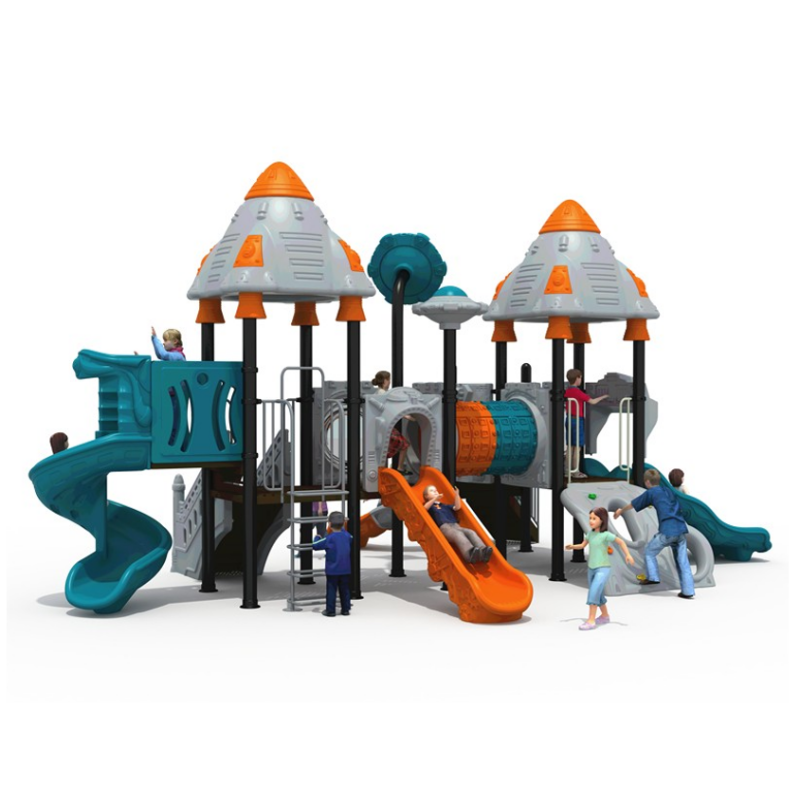
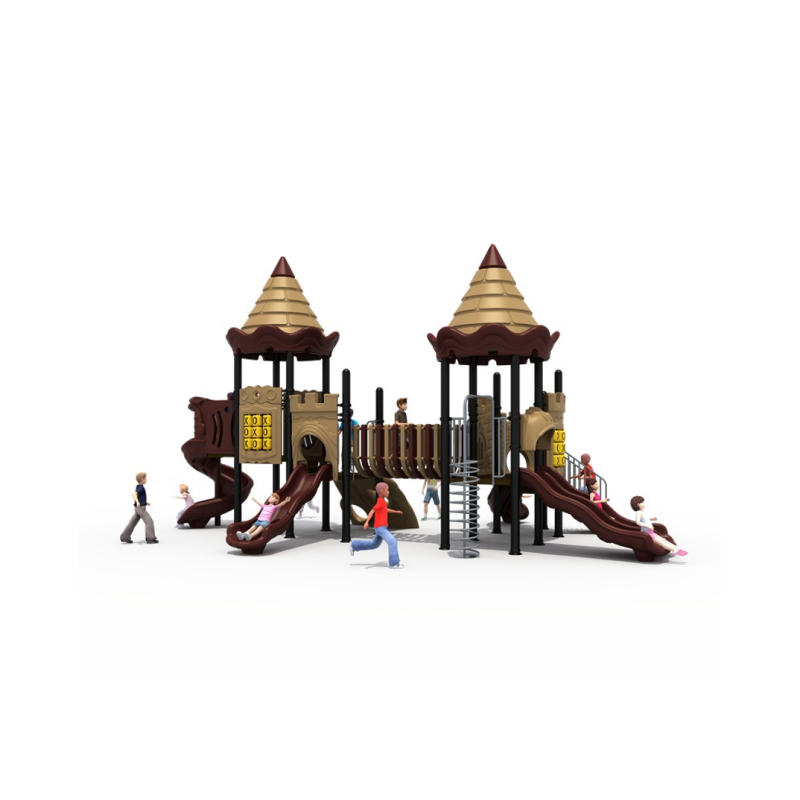
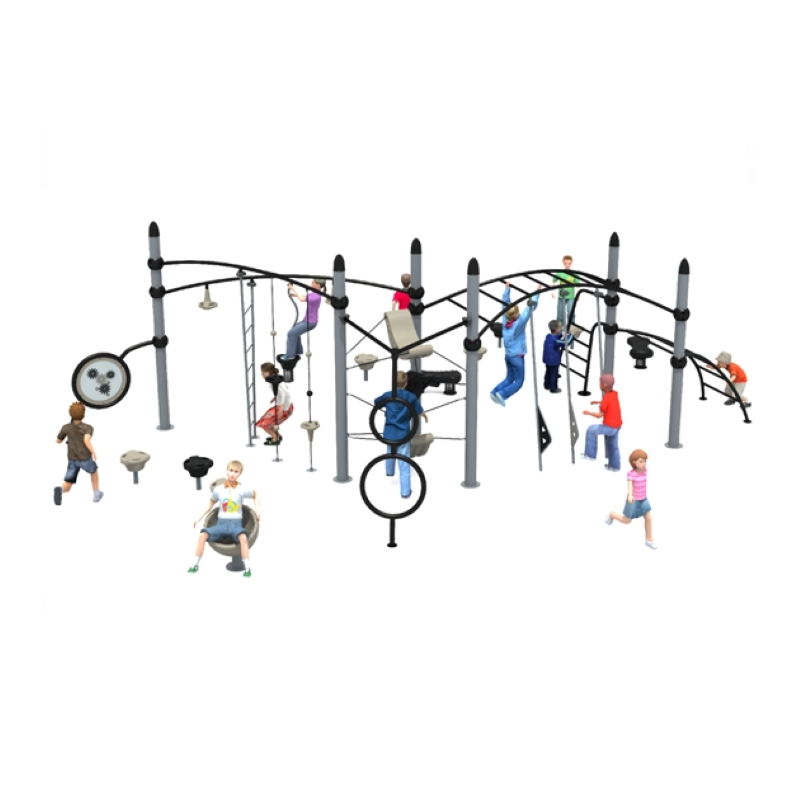
Imagine a sunny Saturday morning at your local community center. Children are laughing as they climb, slide, and swing on a vibrant playground. But beneath the fun lies a complex question: how do we ensure these structures not only inspire joy but also meet rigorous safety and durability standards, like those from Springer? This isn't just about play—it's about engineering excellence in community spaces. Today, we delve into the technical world where playgrounds, community centers, and Springer standards converge, exploring the innovations that make safe, high-quality play areas a reality.
Deepening the Pain Points: Industry Challenges in Playground Manufacturing
In the high-end manufacturing sector for community playground equipment, several persistent pain points hinder progress. First, compliance with evolving safety standards poses a major challenge. Springer and similar international standards (e.g., EN 1176 for playground equipment) are frequently updated to reflect new research on materials, designs, and usage. Manufacturers often struggle to keep pace, leading to costly redesigns or recalls. For instance, a failure to meet updated fall-height requirements can result in project delays of 2-3 months and additional costs of $10,000-$20,000 per structure, not to mention potential liability risks.
Second, material durability and sustainability are critical issues. Playgrounds in community centers face harsh weather conditions, heavy usage, and vandalism. Traditional materials like untreated wood or low-grade plastics degrade quickly, requiring frequent replacements every 5-7 years. This not only incurs maintenance costs of $5,000-$15,000 annually per playground but also impacts user safety and community satisfaction. The environmental toll of disposable materials further exacerbates this, as discarded equipment contributes to landfill waste.
Third, customization vs. scalability creates a tension. Community centers often seek unique, themed playgrounds that reflect local culture, but custom designs can slow production and increase costs by 20-30%. Conversely, mass-produced models may lack the personalized touch that fosters community engagement. This dilemma affects procurement timelines, with custom projects taking 6-9 months versus 3-4 months for standard ones, straining budgets and stakeholder patience.
Detailing the Solutions: Technical Approaches from Shenyang Golden Childhood
Addressing these pain points requires innovative solutions. For compliance, Shenyang Golden Childhood Playground Equipment Co., Ltd. employs a proactive approach. Our team of engineers regularly monitors Springer and other standards updates, integrating them into our design software from the outset. We use advanced CAD simulations to test structures against safety parameters before production, reducing redesign needs by 40%. This ensures that every playground, whether for a small park or a large community center, meets or exceeds global benchmarks.
To tackle durability, we've shifted to high-performance materials. Our products feature powder-coated steel frames with anti-corrosion properties, UV-resistant HDPE panels, and recycled rubber surfacing. These materials extend equipment lifespan to 15-20 years, cutting long-term costs by up to 50%. For example, our proprietary coating process resists fading and chipping, maintaining aesthetic appeal even in extreme climates. Sustainability is enhanced through a closed-loop recycling program, where old equipment is repurposed into new components.
For customization, we balance it with modular design. Our "Build-Your-Playground" platform allows clients to mix and match pre-engineered modules—like climbing walls, slides, and interactive panels—while adhering to safety standards. This reduces lead times to 4-5 months and keeps costs within 10% of standard models. By using parametric design tools, we ensure that each customization maintains structural integrity, blending creativity with efficiency.
| Pain Point | Solution | Impact |
|---|---|---|
| Compliance with Standards | Proactive CAD simulations and standards integration | 40% reduction in redesigns, enhanced safety |
| Material Durability | High-performance materials (steel, HDPE, rubber) | 50% cost savings, 15-20 year lifespan |
| Customization vs. Scalability | Modular design platform | 10% cost premium, 4-5 month lead time |
Client Case Studies and Testimonials: Success Stories Across the Globe
Our solutions have transformed playgrounds worldwide. In Berlin, Germany, a community center faced compliance issues with Springer standards after an audit. We redesigned their playground using our simulation tools, ensuring full adherence within 8 weeks. The upgrade led to a 30% increase in daily usage and a 15% reduction in insurance premiums. The center manager noted, "Shenyang Golden Childhood's expertise turned a regulatory headache into a community asset."
In Toronto, Canada, a park struggled with frequent equipment replacements due to harsh winters. We installed our durable steel-and-HDPE structures, which have withstood -20°C temperatures for 3 years without significant wear. Maintenance costs dropped by $8,000 annually, and user satisfaction surveys improved by 25%. A local engineer commented, "The material quality exceeded our expectations, proving that longevity and play value can coexist."
In Melbourne, Australia, a school wanted a custom, ocean-themed playground but had budget constraints. Our modular platform allowed them to incorporate wave-shaped climbers and marine-life panels, delivered in 5 months at a 12% cost increase. Student engagement rose by 40%, and the project won a local design award. The procurement officer said, "We got a unique playground without compromising on safety or breaking the bank."
Applications and Partnerships: Enhancing Community Spaces
Our playgrounds are tailored for diverse applications. In urban community centers, we focus on space-efficient, multi-age designs that promote social interaction. For schools and daycare facilities, we integrate educational elements like sensory panels and STEM-based play structures. In public parks and recreational areas, durability and low maintenance are prioritized to handle high foot traffic. Each application is backed by partnerships with procurement firms and municipalities. For example, we collaborate with Global Parks Procurement Ltd. in Europe to streamline supply chains, and with Cityscape Engineers Inc. in North America for site-specific installations. These relationships ensure that our products are not just sold but integrated into community ecosystems, enhancing our authority in the field.
FAQ Section: Answers for Engineers and Procurement Managers
1. How do you ensure compliance with Springer standards in custom designs? We embed Springer and EN 1176 requirements into our design algorithms from the concept phase. Each custom element is validated through finite element analysis (FEA) to test load capacities and fall zones, with documentation provided for audit trails.
2. What materials do you recommend for coastal areas with high salinity? For corrosive environments, we use marine-grade stainless steel (AISI 316) and salt-resistant coatings. Our HDPE components are treated with anti-UV additives to prevent degradation from sun and salt spray, ensuring a 20-year lifespan.
3. Can your playgrounds support inclusive play for children with disabilities? Yes, we design according to ASTM F1487 and ISO 24415 for accessibility. Features include ramp-accessible structures, tactile panels, and ground-level activities, all tested with occupational therapists to ensure usability.
4. What is the lead time for a mid-sized playground (500 sq ft)? Standard modules ship in 8-10 weeks; custom designs take 16-20 weeks including engineering and production. We use just-in-time manufacturing to minimize delays, with real-time tracking for clients.
5. How do you handle post-installation maintenance and warranties? We offer a 10-year warranty on structural components and a 5-year warranty on surfaces. Maintenance kits and training are provided, and our support team conducts annual inspections to preempt issues, reducing downtime by 30%.
Conclusion and Call to Action: Elevating Playground Standards
In the world of community playgrounds, meeting Springer standards is more than a checkbox—it's a commitment to safety, durability, and innovation. From tackling compliance headaches to delivering custom, sustainable designs, the journey requires technical prowess and a deep understanding of community needs. At Shenyang Golden Childhood, we blend engineering rigor with creative solutions to transform play spaces into lasting legacies. Ready to explore how your next project can exceed expectations? Download our comprehensive technical whitepaper on advanced playground manufacturing, or contact our sales engineers for a personalized consultation. Let's build playgrounds that inspire and endure.
