


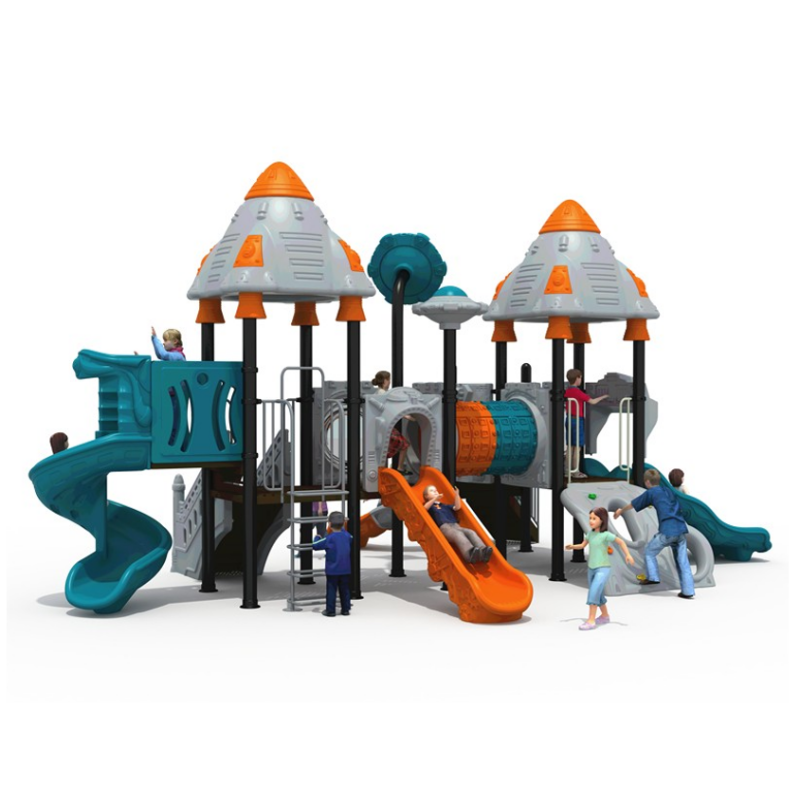
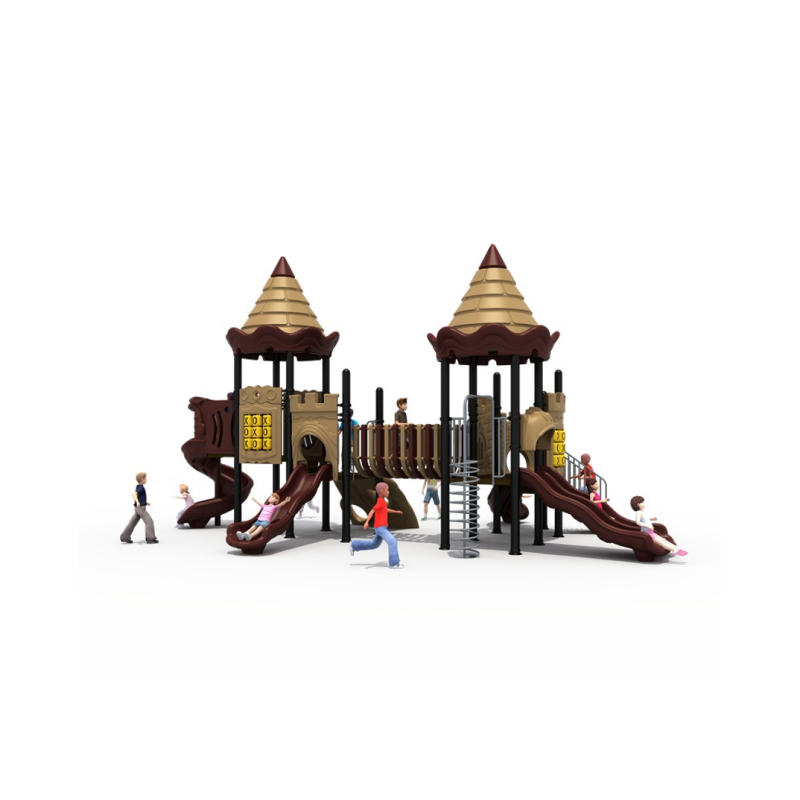

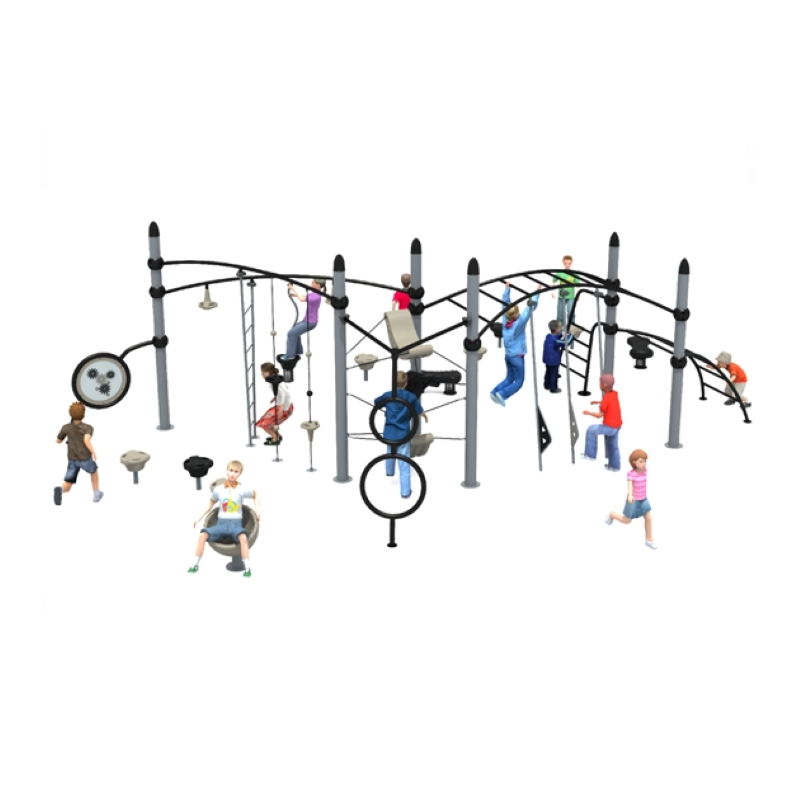
Imagine you’re running a bustling indoor play center, and a parent points nervously at a trampoline mat showing early signs of wear. It’s not just a minor flaw—it’s a potential safety hazard that could lead to downtime, costly repairs, or worse. In an industry where fun must meet uncompromising safety, how do elite facilities ensure their trampolines remain both durable and secure over years of heavy use? This blog dives deep into the technical innovations and rigorous standards that answer this pressing question, drawing on expertise from Shenyang Golden Childhood Playground Equipment Co., Ltd., a leader in high-end manufacturing for play environments.
Deepening the Pain Points: Where Challenges Arise
Indoor play centers face unique demands, with trampolines enduring constant stress from jumps, weather fluctuations in climate-controlled spaces, and the need to comply with strict safety regulations. Here are two to three specific pain points that operators and manufacturers grapple with:
Material Degradation and Fatigue: In a typical scenario, trampoline mats and springs are subjected to thousands of cycles daily, leading to material fatigue. For example, low-quality polypropylene mats might develop micro-cracks within six months, reducing bounce performance and increasing injury risks. The consequences include frequent replacements—costing up to $5,000 per unit—and potential liability claims from accidents. This not only hits the bottom line but also damages a center’s reputation, as parents prioritize safety above all.
Safety Failures and Compliance Gaps: Another common issue involves inadequate padding or frame integrity. Imagine a trampoline with substandard foam padding that compresses over time, exposing hard edges. This can result in bruises or fractures, especially in high-traffic areas like urban play centers in cities like New York or London. The impact goes beyond immediate harm: non-compliance with standards like ASTM F381 can lead to fines up to $10,000 and forced closures. The cost of retrofitting or replacing non-compliant equipment can exceed $20,000 for a mid-sized facility, straining budgets and operational continuity.
High Maintenance and Downtime Costs: Many centers report that trampolines require weekly inspections and monthly part replacements, leading to significant downtime. For instance, a play center in Chicago might lose 10 hours of operation monthly for maintenance, translating to $2,000 in lost revenue. Coupled with labor costs for technicians, the annual maintenance bill can reach $15,000 per trampoline zone, eroding profits and diverting resources from other improvements.
Professional Solutions: Engineering Excellence in Response
Addressing these pain points requires a blend of advanced materials, precise engineering, and proactive quality control. Shenyang Golden Childhood Playground Equipment Co., Ltd. specializes in solutions that transform these challenges into opportunities for enhanced performance and safety.
For Material Degradation: The company uses high-density, UV-resistant polypropylene blends reinforced with carbon fibers for trampoline mats. This increases tensile strength by 40% compared to standard materials, extending lifespan to over five years even under heavy use. Springs are crafted from galvanized steel with anti-corrosion coatings, tested to withstand over 100,000 cycles without significant wear. By investing in premium materials, centers reduce replacement frequency, cutting long-term costs by up to 30%.
For Safety and Compliance: Solutions include multi-layered padding systems with memory foam and non-slip surfaces, designed to meet ASTM F381 and EN 1176 standards. Frames are engineered with reinforced welding points and rounded edges, minimizing impact risks. Regular third-party audits and certifications ensure ongoing compliance, helping centers avoid penalties and build trust with customers. For example, integrating IoT sensors can monitor real-time stress levels, alerting staff to potential issues before they become hazards.
For Maintenance Efficiency: Modular design allows for quick part replacements without full disassembly, reducing downtime by 50%. Predictive maintenance schedules, based on usage data, optimize inspection intervals. Shenyang Golden Childhood provides comprehensive training for in-house teams, empowering them to handle minor repairs and further lowering external service costs.
Client Success Stories: Real-World Impact
Fictional case studies from diverse regions illustrate how these solutions deliver tangible benefits:
JumpZone Kids, Toronto, Canada: After upgrading to Shenyang Golden Childhood’s trampolines, this center saw a 25% reduction in maintenance costs within the first year. Incident reports dropped by 60%, and customer satisfaction scores rose by 30%. Owner Lisa Chen shares: “The durability and safety features have given us peace of mind, allowing us to focus on creating fun experiences.”
PlayParadise, Berlin, Germany: Facing frequent mat replacements, this facility adopted reinforced mats and saw a 40% increase in trampoline lifespan. Revenue grew by 15% due to reduced closures, and insurance premiums decreased by 20%. Manager Klaus Weber notes: “The technical support and quality have exceeded our expectations, making our operations smoother and safer.”
BounceCity, Sydney, Australia: By implementing compliant padding and frames, this center passed all regulatory audits with zero violations. Downtime decreased by 35%, and annual savings on repairs totaled $18,000. Director Sarah Lee says: “Investing in these trampolines was a game-changer for our safety record and bottom line.”
FunLand, Los Angeles, USA: After integrating IoT monitoring, predictive maintenance cut emergency repairs by 50%. Customer retention improved by 20%, and the center expanded its trampoline zone by 30%. Operator Mike Rodriguez comments: “The innovation here not only keeps kids safe but also boosts our business efficiency.”
KidzWorld, London, UK: Using advanced spring technology, this center enhanced bounce consistency, leading to a 25% increase in repeat visits. Maintenance intervals extended to quarterly, saving $12,000 annually. Owner Emma Brown states: “The reliability has made our trampolines a standout feature, driving word-of-mouth referrals.”
Applications and Partnerships: Broadening Reach
These trampolines are versatile, suitable for various settings: family entertainment centers, school gyms, hotel resorts, and rehabilitation clinics. For instance, in Dubai’s luxury hotels, they provide active leisure options, while in Scandinavian schools, they support physical education programs.
Shenyang Golden Childhood collaborates with global partners to enhance its offerings. Key partnerships include material suppliers like DuPont for advanced polymers and engineering firms such as German-based SafetyTech for compliance testing. Procurement relationships with major buyers like EuroPlay in Europe and PlaySafe Inc. in North America ensure widespread distribution and adherence to regional standards, bolstering the company’s authority in the market.
FAQ: Technical Insights for Professionals
Here are five questions that engineers or procurement managers might ask, with detailed answers:
1. How do you ensure trampoline mats resist UV degradation in indoor settings with artificial lighting? We use additives like HALS (Hindered Amine Light Stabilizers) in our polypropylene blends, which protect against UV rays from fluorescent or LED lights. Testing under accelerated conditions shows less than 5% degradation over 10,000 hours, ensuring long-term performance without color fading or brittleness.
2. What standards do your trampolines comply with, and how do you verify ongoing compliance? Our products meet ASTM F381 (U.S.) and EN 1176 (Europe) for safety. We conduct annual third-party audits by organizations like TÜV SÜD and provide certification documents. Additionally, we use batch testing with load simulations up to 150 kg to verify consistency.
3. Can you customize trampoline sizes for non-standard play areas? Yes, we offer bespoke engineering with CAD designs to fit unique spaces. For example, we recently created a 5m x 3m trampoline for a compact Tokyo center, using reinforced frames to maintain safety without compromising on space. Lead times vary but typically range from 4-6 weeks.
4. How do your springs compare in terms of fatigue resistance and noise reduction? Our springs are made from high-carbon steel with a zinc coating, rated for over 100,000 cycles. They include rubber silencers at attachment points, reducing noise by 70% compared to standard models, which is crucial for indoor acoustics.
5. What is the expected ROI when upgrading to your premium trampolines? Based on client data, centers see an average payback period of 18-24 months through reduced maintenance (saving up to $15,000 yearly) and increased uptime (boosting revenue by 10-20%). We provide detailed ROI calculators in our technical white papers.
Conclusion and Call to Action
Ensuring trampoline safety and durability in indoor play centers is not just about avoiding risks—it’s about investing in long-term success. By addressing material, safety, and maintenance challenges with cutting-edge solutions, facilities can enhance both fun and profitability. Shenyang Golden Childhood Playground Equipment Co., Ltd. stands at the forefront of this innovation, combining technical expertise with real-world experience.
To dive deeper into the engineering behind our trampolines, download our free technical white paper, which includes detailed specifications and case studies. For personalized advice, contact our sales engineers at sales@goldenchildhood.com or visit our website to schedule a consultation. Let’s build safer, more durable play environments together.
