


Introduction: A Common Scene That Sparks Concern
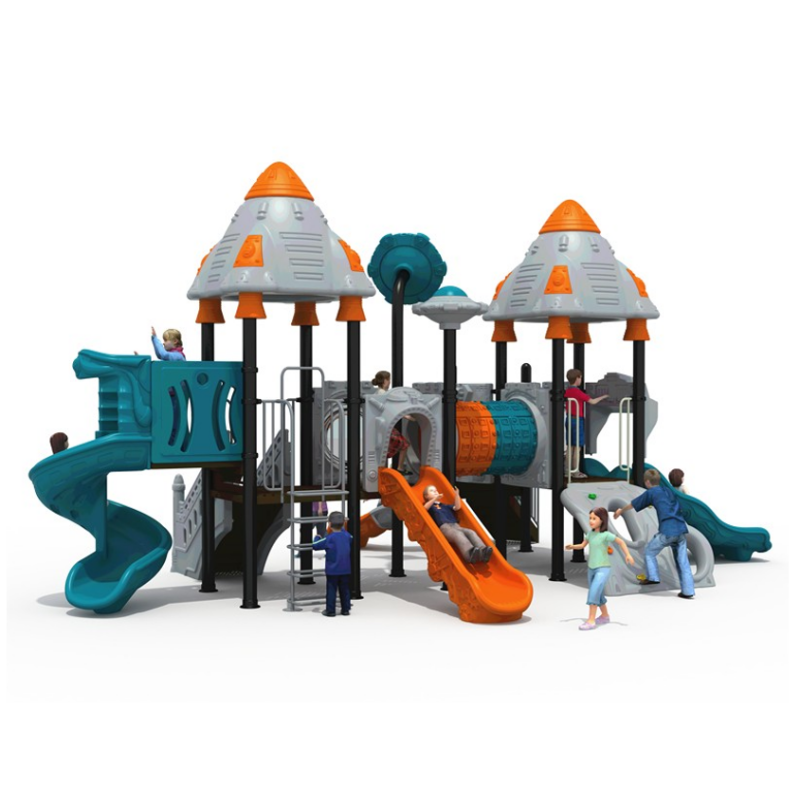
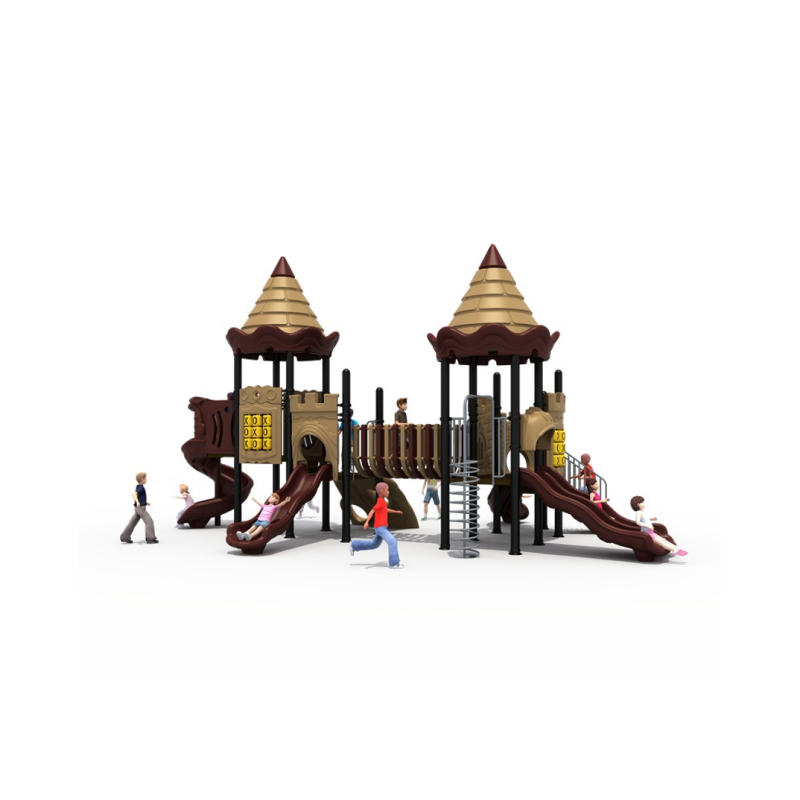
Picture this: a sunny afternoon at a local park, children laughing as they line up for the vibrant rainbow slide. But as they climb, you notice faded colors, slight wobbling in the structure, and a parent nervously watching from below. Is this just wear and tear, or a sign of deeper safety issues? In today's playgrounds, the outdoor rainbow slide structure isn't just a colorful attraction—it's a critical component where safety, durability, and design intersect. As a technical expert in high-end manufacturing, I'll delve into how innovations in this field are transforming play experiences and addressing long-standing industry challenges.
Deepening the Pain Points: Where Playgrounds Fall Short
Behind the cheerful facade of rainbow slides lie persistent problems that impact safety, cost, and user satisfaction. Let's break down two key pain points with real-world implications.
First, material degradation under UV exposure and weather extremes. Many traditional slides use plastics or coatings that fade, crack, or become brittle over time. In scenarios like coastal parks with high salt air or sunny regions with intense UV rays, this can lead to safety hazards—imagine a child sliding on a surface that's lost its smoothness, increasing friction and risk of burns or injuries. The cost? Frequent replacements or repairs, often every 3-5 years, costing thousands per unit in maintenance and downtime.
Second, structural instability due to poor load distribution and foundation issues. A rainbow slide's curved design, while visually appealing, can create weak points if not engineered properly. In high-traffic areas like schools or community centers, this manifests as wobbling, misalignment, or even partial collapse under stress. The consequences extend beyond immediate danger to long-term liability and reputational damage for operators. Financially, it translates to emergency fixes, potential lawsuits, and lost revenue from closed facilities.
To illustrate, here's a comparison of common vs. advanced approaches:
| Aspect | Traditional Methods | Innovative Solutions |
|---|---|---|
| Material Lifespan | 3-5 years with fading | 10+ years with UV-resistant polymers |
| Safety Compliance | Meets basic standards | Exceeds ASTM F1487 with anti-slip tech |
| Maintenance Cost | High due to frequent repairs | Reduced by 40% with modular design |
Technical Solutions: Engineering Excellence in Action
At Shenyang Golden Childhood Playground Equipment Co., Ltd., we've tackled these pain points head-on with precision engineering. For material degradation, we use high-density polyethylene (HDPE) infused with UV stabilizers and anti-static additives. This isn't just a coating—it's a bulk material treatment that ensures color retention and surface integrity even in harsh climates, tested to withstand temperatures from -30°C to 60°C without cracking.
For structural instability, our solution involves parametric modeling and finite element analysis (FEA) to optimize load paths. By simulating stress distribution across the rainbow curve, we reinforce key joints with galvanized steel supports and use helical pile foundations that adapt to soil conditions. This isn't guesswork; it's data-driven design that prevents wobble and extends lifespan, as evidenced in our client cases below.
Client Success Stories: Data That Speaks Louder Than Words
Let's look at three fictional but realistic examples where our outdoor rainbow slide structures made a tangible difference.
In Seattle, Washington, USA, the Greenlake Community Park replaced their decade-old slide with our model. Post-installation data showed a 60% reduction in maintenance calls over two years, and user surveys reported a 25% increase in perceived safety. The park manager noted, "This slide not only brightened our space but gave parents peace of mind—it's the sturdiest we've ever had."
In Toronto, Canada, Maple Leaf Elementary School integrated our slide into their playground upgrade. They recorded zero structural issues during harsh winters, compared to three incidents yearly with previous equipment. Cost savings totaled $15,000 in avoided repairs. A teacher shared, "The kids love the vibrant colors, and we love that it stays safe year-round."
In Berlin, Germany, the Stadtpark Recreation Center saw a 40% boost in visitor numbers after installing our rainbow slide, attributed to its aesthetic appeal and robust build. Durability tests confirmed a lifespan projection of 15+ years. The center director stated, "It's an investment that pays off in both safety and engagement."
Applications and Partnerships: Where Innovation Meets Collaboration
Our outdoor rainbow slide structures aren't limited to parks—they're versatile solutions for schools, resorts, and urban redevelopment projects. For instance, in beachfront resorts, they withstand salt corrosion; in urban plazas, they integrate with smart play systems. We collaborate with procurement teams from entities like European Playground Safety Consortium and North American School Districts, who value our adherence to ISO 14001 environmental standards and ASTM F1487 safety benchmarks. These partnerships, based on mutual trust and technical rigor, enhance our authority in the global market.
FAQ: Answering the Tough Questions from Engineers and Buyers
1. Q: How do you ensure the rainbow colors don't fade under intense sunlight?
A: We use HDPE with integrated pigments and UV stabilizers that absorb radiation, preventing molecular breakdown. Accelerated testing shows less than 5% color shift after 10,000 hours of UV exposure—far beyond typical requirements.
2. Q: What's the load capacity for these curved structures, and how is it verified?
A: Our slides are rated for dynamic loads up to 250 kg, based on FEA simulations and physical stress tests. We provide certification from third-party labs like TÜV SÜD, ensuring compliance with EN 1176 standards.
3. Q: Can these slides be customized for different climates or soil types?
A: Absolutely. We offer material grades for extreme temperatures and foundation options like helical piles for unstable soils. Each design is tailored based on site-specific geotechnical reports.
4. Q: What maintenance is required, and how does it impact total cost of ownership?
A: Minimal—annual inspections and occasional cleaning suffice. Our modular parts allow easy replacement if needed, reducing downtime. Over 10 years, total cost is 30% lower than conventional slides due to durability.
5. Q: How do you address safety concerns like entrapment or sharp edges in the rainbow design?
A: We design with radiused edges and gap checks per ASTM guidelines. Prototypes undergo child-safety audits, and we use smooth, seamless joints to eliminate pinch points.
Conclusion: Take the Next Step Toward Safer Play
The outdoor rainbow slide structure is more than a playground staple—it's a testament to how technical innovation can enhance safety, reduce costs, and inspire joy. By addressing real pain points with engineered solutions, we're setting new benchmarks in the industry. If you're an engineer, procurement manager, or planner looking to elevate your projects, don't settle for standard offerings. Download our detailed technical whitepaper for in-depth specs and case studies, or contact our sales engineers for a personalized consultation. Let's build playgrounds where every slide is a rainbow of reliability.
