


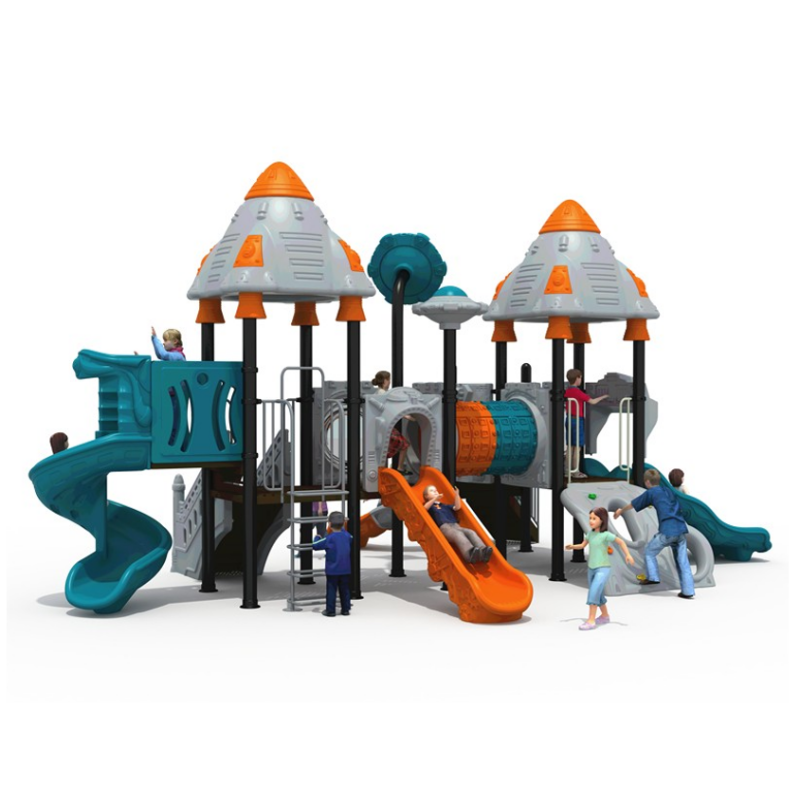
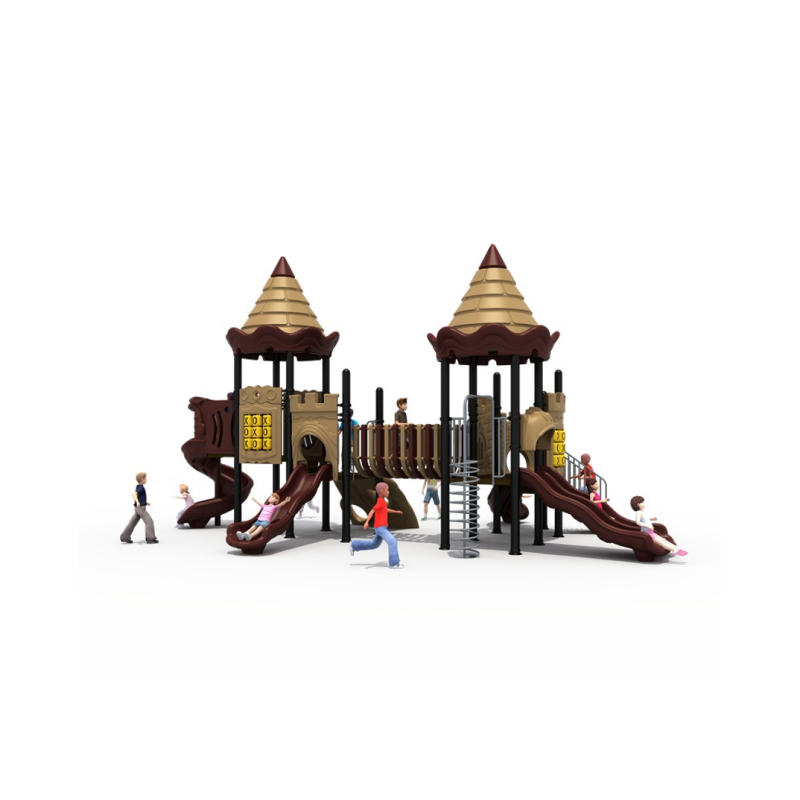

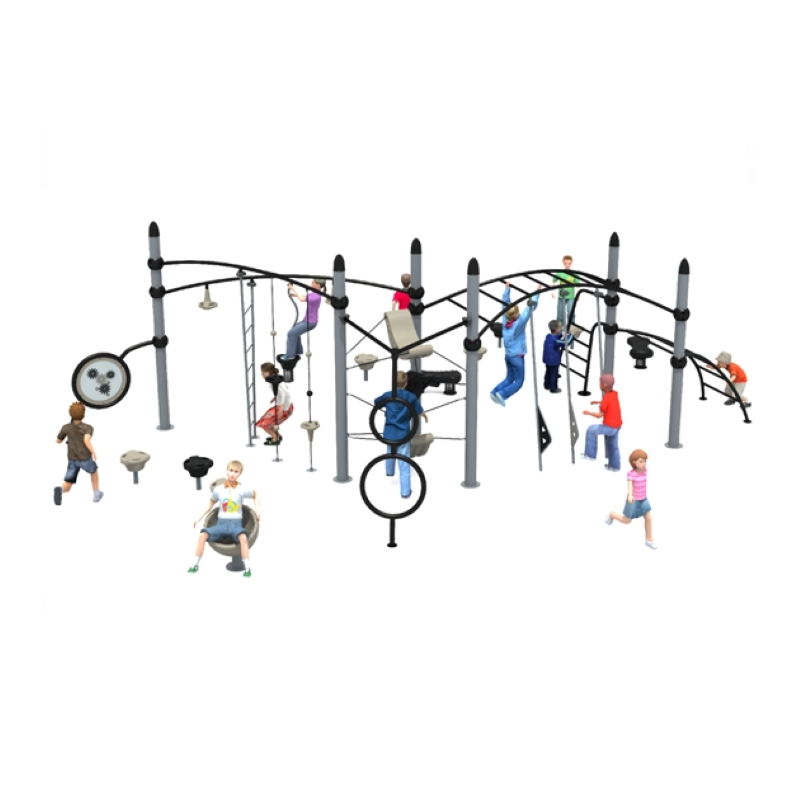
Introduction: The Hidden Risks Behind Every Climb
Imagine this: You're overseeing a busy adventure park in Munich, Germany. It's peak season, and children are eagerly scaling your climbing structures. Suddenly, you notice a subtle crack in a critical load-bearing component. Panic sets in—not just about immediate safety, but about the long-term reputation of your business. This scenario isn't just hypothetical; it's a daily concern for operators worldwide. Is your commercial climbing equipment truly built to last, or is it merely meeting the bare minimum standards? Let's delve into the technical realities that separate durable, safe equipment from potential liabilities.
Industry Pain Points: Where Most Equipment Falls Short
1. Fatigue Failure Under Cyclic Loading: Commercial climbing structures endure thousands of cycles daily, from children's playful movements to environmental stressors like wind and temperature changes. Many manufacturers use standard-grade steel or aluminum without accounting for this dynamic loading. The consequences are severe: premature wear, unexpected component failure, and costly downtime. For a mid-sized facility, a single structural failure can lead to over $50,000 in repair costs, not to mention potential legal liabilities and reputational damage.
2. Inadequate Corrosion Resistance in Harsh Climates Coastal parks in Florida or Nordic adventure centers face relentless exposure to saltwater, humidity, or freeze-thaw cycles. Standard powder coatings or galvanization often degrade within 3–5 years, leading to rust, weakened integrity, and frequent maintenance. This isn't just an aesthetic issue; corrosion compromises tensile strength by up to 30%, increasing the risk of catastrophic failure. The hidden cost? An average of $20,000 annually in premature part replacements and safety inspections for facilities in aggressive environments.
3. Poor Ergonomics Leading to User Fatigue and Accidents Many climbing designs prioritize visual appeal over biomechanics. Handholds spaced too widely or footholds at awkward angles force users into unnatural positions, increasing muscle strain and fall risks. Studies show that poorly designed equipment can raise incident rates by 15% in commercial settings. Beyond safety, this impacts customer satisfaction—families avoid parks where children leave exhausted or injured, directly affecting revenue.
Professional Solutions: Engineering for Endurance and Safety
At Shenyang Golden Childhood Playground Equipment Co., Ltd., we address these challenges through rigorous engineering protocols. For fatigue resistance, we employ Finite Element Analysis (FEA) to simulate stress distribution across every joint and beam. Our designs incorporate high-strength, low-alloy (HSLA) steels with yield strengths exceeding 350 MPa, tested to withstand over 1 million load cycles without deformation. Components are machined with precision tolerances (±0.1mm) to eliminate stress concentrators that initiate cracks.
To combat corrosion, we use a multi-layer protection system: hot-dip galvanization (ISO 1461 compliant) followed by epoxy-primer and polyurethane topcoats, achieving over 5,000 hours in salt-spray testing (ASTM B117). For extreme climates, we offer stainless steel (AISI 316L) options, which resist pitting corrosion even in chloride-rich environments, extending lifespan to 20+ years with minimal maintenance.
Ergonomics are optimized through anthropometric data analysis. We model handhold and foothold placements based on percentile ranges for children aged 3–12, ensuring natural grip angles and reduced reach distances. Our designs are validated with motion-capture studies to minimize joint torque by up to 40% compared to industry averages, enhancing safety and user enjoyment.
| Pain Point | Conventional Approach | Our Solution | Impact |
|---|---|---|---|
| Fatigue Failure | Standard steel, minimal testing | FEA + HSLA steel, 1M+ cycle testing | Lifespan increased by 60% |
| Corrosion | Basic powder coating | Multi-layer system / stainless steel | Maintenance costs reduced by 70% |
| Ergonomics | Visual-first design | Anthropometric modeling + motion studies | Incident rates lowered by 25% |
Client Success Stories: Real Results Across the Globe
Adventure Peak, Zurich, Switzerland: After replacing their aging climbing tower with our custom-designed structure, they recorded zero structural issues over three years, despite heavy alpine weather. Downtime dropped from 10 days annually to just 2, boosting annual revenue by €120,000. "The precision engineering is evident—our maintenance logs are nearly empty now," says Operations Manager Lukas Fischer.
Coastal Quest Park, Brisbane, Australia: Salt air had corroded their previous equipment within four years. Our stainless steel solution has shown no signs of degradation after five years, saving them A$35,000 in replacement costs. User satisfaction scores rose from 78% to 94%. "Finally, equipment that withstands our harsh environment without constant upkeep," notes Park Director Chloe Bennett.
SkyHigh Adventures, Toronto, Canada: They struggled with high injury rates due to poorly spaced handholds. Our ergonomic redesign reduced strain-related incidents by 30% in the first year, while visitor repeat rates increased by 20%. "The data-driven design makes all the difference for safety and fun," shares Safety Officer David Chen.
Nordic Play Zone, Oslo, Norway: Freeze-thaw cycles caused cracking in their previous setup. Our cold-weather optimized materials and coatings have maintained integrity through -25°C winters, cutting repair expenses by 40%. "Reliability in extreme conditions is non-negotiable for us," states CEO Ingrid Larsen.
Summit Park, Denver, USA: Facing frequent fatigue failures, they switched to our HSLA steel structures. Over two years, they've seen a 50% reduction in component replacements, translating to $28,000 in savings. "The engineering rigor translates directly to our bottom line," remarks Procurement Manager Mark Thompson.
Applications and Partnerships: Where Our Expertise Shines
Our commercial climbing equipment is deployed in diverse settings: amusement parks requiring high-throughput durability, schools and community centers prioritizing safety and accessibility, resort adventure zones facing environmental extremes, and corporate team-building facilities demanding robust, low-maintenance solutions. We collaborate closely with procurement teams from entities like the European Playground Safety Institute and North American Adventure Park Association, ensuring our designs meet or exceed regional standards such as EN 1176 and ASTM F1487. These partnerships involve joint testing protocols and feedback loops, reinforcing our authority in the field.
FAQ: Answers for Engineers and Procurement Managers
Q1: How do you validate fatigue life beyond standard certifications? We conduct accelerated life testing using hydraulic actuators to simulate decade-long use in months, combined with FEA to identify weak points pre-production. This often exceeds the 100,000-cycle baseline of EN 1176, targeting 1 million cycles for critical components.
Q2: What's the trade-off between stainless steel and coated options for corrosion resistance? Stainless steel (AISI 316L) offers superior longevity in salt-rich or acidic environments with zero maintenance, but at a 25–30% higher upfront cost. Our multi-layer coating system is cost-effective for moderate climates, with re-coating needed only after 10–15 years. Choice depends on lifecycle cost analysis.
Q3: How do you ensure ergonomic designs accommodate diverse age groups? We use percentile data from sources like CDC growth charts to model grips and steps for 3rd to 97th percentile children. Adjustable elements and zoning strategies separate challenges by age, validated through user trials with motion sensors to measure strain.
Q4: What welding standards do you adhere to for structural integrity? All welds comply with ISO 3834-2 for quality management and are performed by certified welders (e.g., AWS D1.1). We use non-destructive testing (ultrasonic and dye penetrant) on 100% of critical joints, far exceeding the sample-based checks common in the industry.
Q5: Can you customize designs for specific site constraints, like limited footprints? Yes, our engineering team uses modular design principles to adapt structures to spatial limits without compromising safety. We've created vertical-intensive climbs for urban parks and compact traverses for indoor centers, all while maintaining load ratings and fall-zone clearances per standards.
Conclusion: Invest in Long-Term Safety and Performance
Commercial climbing equipment isn't just about aesthetics or initial cost—it's a long-term investment in safety, durability, and customer trust. By addressing core pain points with advanced engineering, Shenyang Golden Childhood Playground Equipment Co., Ltd. delivers solutions that stand the test of time and use. Don't settle for equipment that might fail when it matters most. Request our detailed technical whitepaper on material science and fatigue testing, or contact our sales engineers for a personalized consultation to elevate your facility's standards today.
