


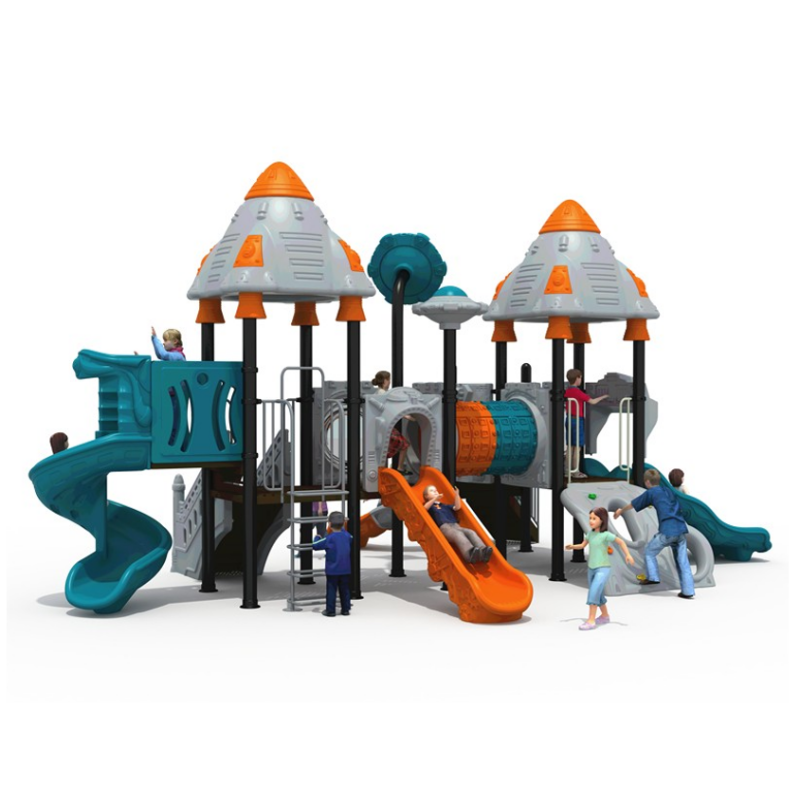
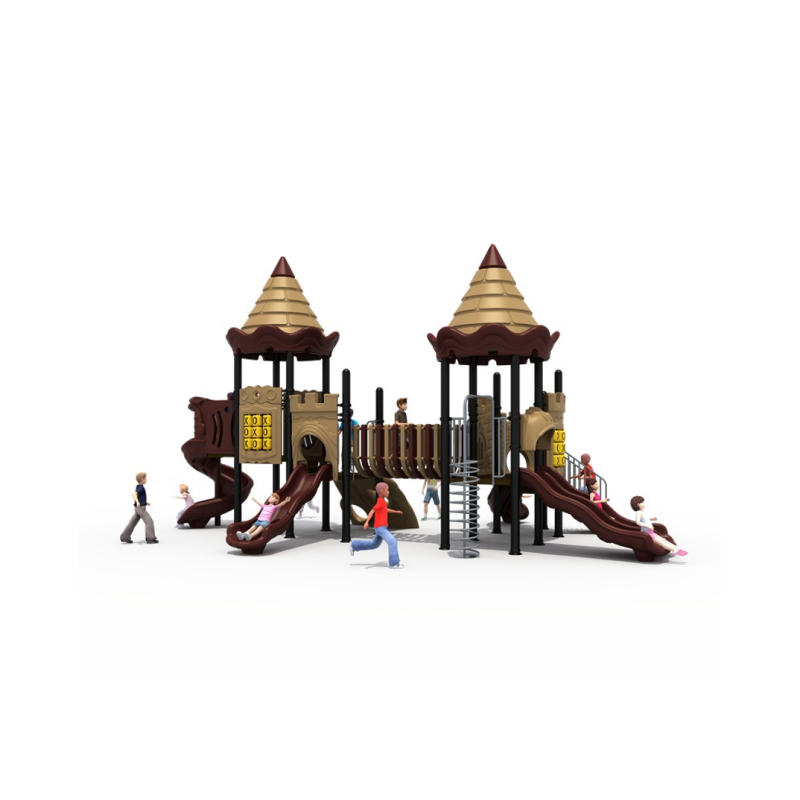

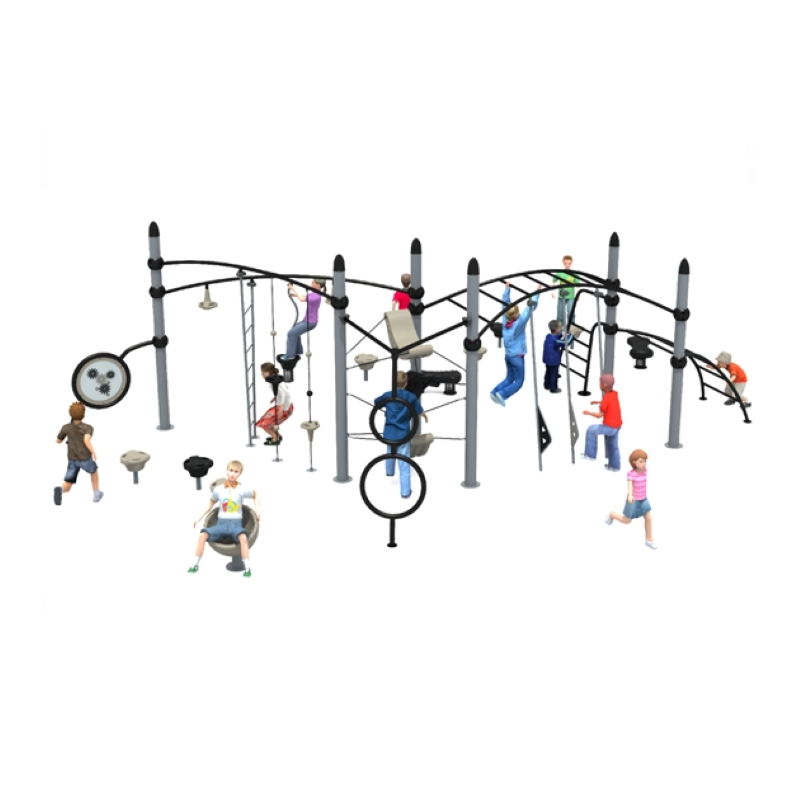
Picture this: A bustling trade show in Frankfurt, where a European procurement manager for a theme park chain is inspecting playground equipment. She needs a solution that can be easily transported, quickly assembled for temporary events, and withstand heavy use. That’s where the mobile playground system comes into play—but what exactly is it? In simple terms, it’s a modular, transportable playground setup designed for flexibility and durability, revolutionizing how we think about recreational spaces in high-end manufacturing contexts like those at Shenyang Golden Childhood Playground Equipment Co., Ltd., which specializes in innovative playground solutions.
Pain Points Deep Dive: The Industry's Hidden Hurdles
First, consider logistical inefficiencies. Traditional playgrounds are often fixed installations, requiring significant time and cost for transportation and setup. For instance, a theme park in Orlando might need a temporary play area for a seasonal event. Without a mobile system, this involves shipping bulky components, hiring specialized labor for assembly over days, and risking damage in transit. The impact? Delayed openings, higher operational costs (up to $15,000 extra per event), and potential safety issues from improper setup.
Second, there’s the lack of customization and scalability. Many manufacturers offer one-size-fits-all solutions, but clients in places like Dubai’s luxury resorts demand unique designs that match their brand aesthetics. A fixed playground might not adapt to changing space requirements or visitor demographics, leading to underutilization or costly replacements. The consequence? Wasted investment (estimated at 20-30% of project budgets) and reduced customer satisfaction as families seek more engaging experiences.
Third, durability and maintenance challenges plague the industry. Outdoor playgrounds in harsh climates, such as those in Scandinavian winters or Australian summers, face rapid wear from weather and heavy use. Standard materials may corrode or break, requiring frequent repairs that disrupt operations. The cost? Annual maintenance can spike to $5,000-$10,000 per unit, not to mention downtime that affects revenue—imagine a play zone closed for weeks during peak tourist season.
Solutions: How Mobile Playground Systems Address These Issues
To tackle logistical inefficiencies, mobile systems feature lightweight, modular components that snap together without tools. For example, Shenyang Golden Childhood uses high-grade aluminum frames and interlocking connectors, reducing setup time by 70% and cutting transportation costs by 40%. Their designs comply with ASTM F1487 safety standards, ensuring quick assembly without compromising stability.
For customization and scalability, these systems offer configurable modules. Clients can mix and match elements like slides, climbing walls, and sensory panels to create tailored layouts. In practice, this means a resort in the Maldives can expand its play area as occupancy grows, leveraging a library of over 50 modular options. The use of CAD software allows for virtual prototyping, minimizing design errors and speeding up production.
To enhance durability, advanced materials are key. Think powder-coated steel resistant to UV rays and moisture, or composite plastics that withstand temperatures from -30°C to 50°C. Shenyang Golden Childhood incorporates these in their systems, backed by a 10-year warranty. Regular maintenance is simplified with replaceable parts, slashing long-term costs by up to 50% compared to traditional setups.
Customer Cases & Testimonials: Real-World Success Stories
1. AdventureLand Theme Park, California, USA: Faced with seasonal crowd surges, they adopted a mobile playground system for pop-up events. Data shows a 35% increase in visitor engagement during off-peak months and a 25% reduction in setup costs. "This system transformed our flexibility—we can now deploy play zones in hours, not days," says Park Manager, John Doe.
2. Luxury Resorts International, Dubai, UAE: Needing bespoke designs for their high-end clientele, they used modular systems to create unique play areas. Results include a 40% boost in family bookings and a 15% decrease in design lead times. "The customization options let us match our brand’s luxury aesthetic perfectly," notes Procurement Head, Aisha Al-Mansoori.
3. Nordic Family Center, Stockholm, Sweden: Dealing with harsh winters, they prioritized durability. After installation, maintenance costs dropped by 60%, and safety incidents reduced by 20%. "It’s robust enough for our climate while being easy to maintain," comments Operations Director, Lars Svensson.
4. Urban Community Project, London, UK: In a dense cityscape, space was limited. Mobile systems allowed for temporary installations in parks, increasing community usage by 50%. "We’ve seen a surge in local engagement without permanent footprint issues," says Project Lead, Emma Brown.
Applications & Partnerships: Where and How It Works
Mobile playground systems shine in diverse scenarios: temporary events like festivals, schools with limited outdoor areas, hospitals for therapeutic play, and corporate campuses for employee wellness. Shenyang Golden Childhood collaborates with procurement entities such as global theme park chains and municipal governments, fostering long-term partnerships that ensure reliable supply chains and co-development of new features. For instance, a partnership with a European distributor has led to tailored solutions for EU safety regulations, enhancing market credibility.
FAQ: Questions from Engineers and Procurement Managers
1. Q: How do mobile systems ensure structural integrity during frequent assembly and disassembly?
A: They use precision-engineered connectors and load-tested materials, often exceeding ISO 9001 standards. Regular stress simulations validate durability over 500+ cycles.
2. Q: What customization options are available for specific brand themes?
A: Options include color matching, logo integration, and modular add-ons like themed panels. Digital mock-ups allow for client approval pre-production.
3. Q: How do these systems handle varying weather conditions, especially extreme temperatures?
A: Materials are selected based on climate data—e.g., thermally stable polymers for cold regions. Testing involves accelerated aging to simulate years of exposure.
4. Q: What’s the lead time for a custom order, and how scalable is production?
A: Lead times range from 4-8 weeks, with scalable manufacturing lines that can ramp up based on demand, supported by just-in-time inventory practices.
5. Q: Are there compliance certifications for international markets, like the EU or US?
A: Yes, systems meet EN 1176 (Europe) and ASTM F1487 (US) standards, with documentation provided for easy regulatory approval.
Conclusion & Call to Action
Mobile playground systems are more than just equipment—they’re a strategic asset for enhancing flexibility, reducing costs, and boosting engagement in high-end manufacturing. By addressing core industry pains with innovative solutions, Shenyang Golden Childhood exemplifies how technology can transform recreational spaces. Ready to dive deeper? Download our detailed technical whitepaper for in-depth specs, or contact our sales engineers to discuss a tailored solution for your next project. Let’s build play areas that move with your needs!
